Of Meaning, Meals, and Malus Domestica: Let’s Talk Apples!
From legends to lunchboxes, the apple has inspired both meaning and meals across the ages.
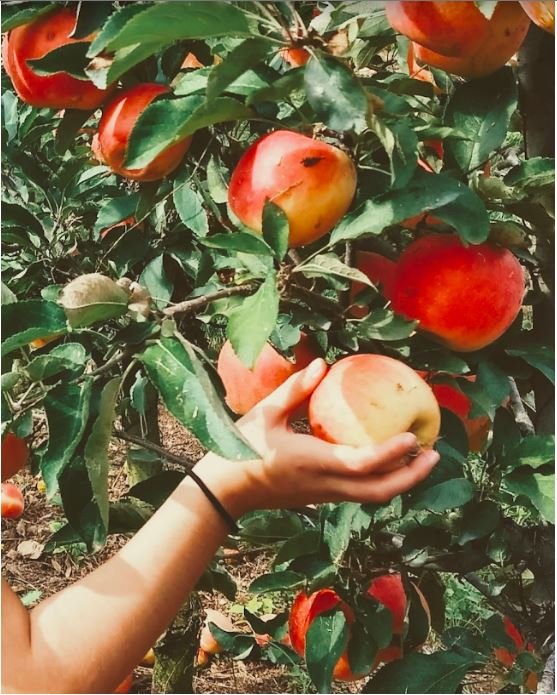
This apple season, I’ve been reflecting on how apples are at once common and iconic. Throughout history, these modern mainstays of the lunchbox and the fruit bowl have served not only as sustenance but also as symbols, with starring roles in foundational texts, folklore, and fairy tales. From interpretations of the Book of Genesis to tales of Johnny “Appleseed” Chapman, and from poisoning Snow White to inspiring Sir Isaac Newton, it seems fitting that a fruit with so many varieties and uses has been a hallmark of our history and a staple of our stories - imbued with a remarkable multiplicity of meanings.
I’m reminded of The Judgment of Paris from Greek mythology. In this story, Eris, the goddess of discord, is snubbed from a wedding invitation. In retaliation, she hurls a golden apple inscribed “To the Fairest” into the feast, sparking a rivalry among the goddesses Hera, Athena, and Aphrodite. The Trojan prince Paris is chosen to decide the winner. He selects Aphrodite, swayed by her promise that he can marry the most beautiful woman in the world. This happened to be the already-married Helen of Sparta, who would later become known as… Helen of Troy. And so, the mythic origin story of the Trojan War begins.
But what if, instead of a golden apple, Eris had tossed in a mealy Red Delicious?
Would Athena, goddess of wisdom and warfare, have uttered a resounding “Meh”, deciding she had better things to do?
Would Aphrodite, goddess of love and beauty, have held out for a more becoming prize?
Would ancient writers and poets have told a different story about the origins of possible conflicts near Troy?
Okay - clearly, I’ve taken this thought experiment too far.
I’m also reminded of what apples have meant in our own history and traditions - my dad’s delight in his family’s apple dumplings, time spent at my grandma’s table as she served applesauce and told stories of apple-butter parties, my grandpa carving apple-head dolls (a bit of Appalachian folk-art with roots in Native American tradition), autumn days spent apple-picking with friends, our farm’s first flock of chickens roosting in our lone apple tree, afternoon snacks of crisp slices and sharp cheddar, charcuterie boards shared in good company. Incidentally, when Chris was in elementary school, his family lived on Johnny Appleseed Drive!
The apples we eat today, e.g., Gala, Honeycrisp, Granny Smith, Golden Delicious, McIntosh, Braeburn, and countless others, all belong to the species Malus domestica, which translates to “domesticated apple tree” or “apple tree of the home.” This name reflects the apple’s long history of cultivation near human settlements. While these varieties share the same basic genetic blueprint, their individual traits have been shaped by human hands through centuries of selection, propagation, and care. Small genetic differences have given rise to the wide range of colors, aromas, textures, and flavors that we choose from based on our purposes and preferences.
We’re delighted to have organic Arkansas Black apples available in our store this autumn, thanks to the orchards at Franklin Sustainable Farms. Chris and I featured them on an “apple sampler platter” last weekend, and I was a huge fan of their crispness and tangy flavor. These apples are also excellent keepers, as their flavor continues to deepen and develop over time.
How are apples part of your own story this fall?
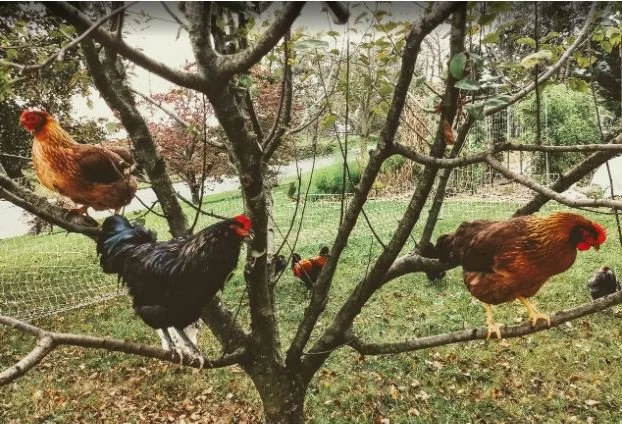
Our chickens under our one apple tree. Chickens do more than just scratch around — they’re excellent pest managers. They clean up fallen apples and, more importantly, eat the insect larvae hiding inside. This helps break the life cycle of common orchard pests like the codling moth, reducing infestations naturally and keeping future harvests healthier.